Artificial intelligence, especially generative AI, is emerging as a useful solution to increase productivity for businesses. However, there are still some barriers that businesses need to overcome to successfully apply this technology.
Poor Data Quality
IDC’s survey of 2,920 global business and IT decision makers found that data quality is the top obstacle preventing AI projects from meeting expectations. To address this, one-third of survey respondents said their organizations are planning to prioritize improving data management capabilities.
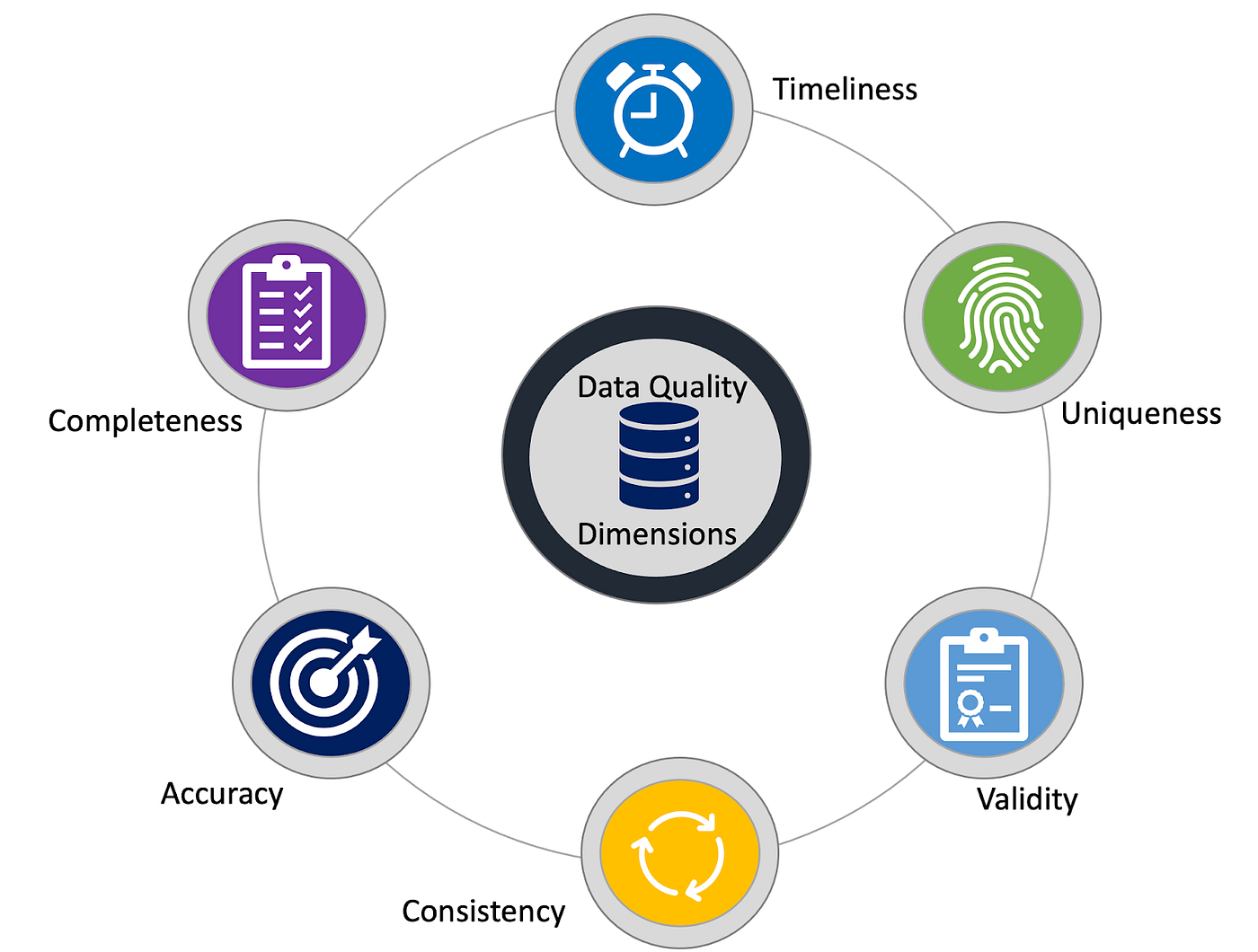
Instead of just controlling data quality before introducing AI, organizations need to feed information to AI and proactively interrogate and query to find accurate and clear information.
Lack of Internal Expertise
According to a March 2025 report by the American Management Association, 57% of respondents felt they were behind on AI; while less than half (49%) had received any AI training. Sathish Muthukrishnan says organizations need to educate their employees on the capabilities and limitations of AI. Ally Financial has supported employees in using AI responsibly through mandatory training for all users, an AI handbook, short courses on AI, and an enterprise-wide “AI day.”
Closing the skills gap starts with teams, people need to work on relevant experiments in the field, personal projects, etc. to gain real-world experience.
Identify Priorities
Every business has a number of priorities, including those that are not related to AI or AI genes. So to accomplish their goals, IT leaders need to make a compelling case for their AI projects.
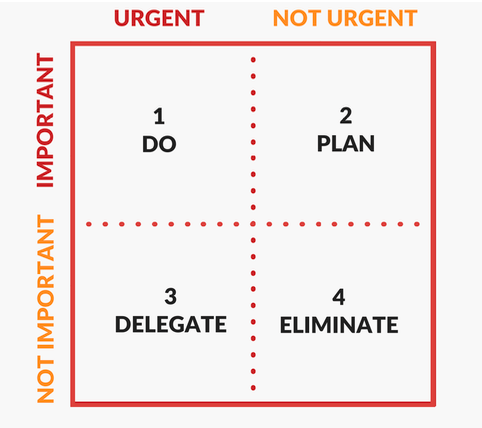
“One of our biggest challenges is identifying business functions where AI can be effectively applied without adding unnecessary complexity,” says Chandra Venkataramani, CIO at software outsourcing company TaskUs. “It’s easy to get caught up in the momentum of generative AI. But to enhance internal capabilities, focus on areas where the technology can help, such as improving productivity, enhancing decision-making, or reducing friction in key workflows. There needs to be a clear purpose before embarking on any AI initiative.”
According to Venkataramani, pilot programs need to be implemented to avoid over-investing in unproven solutions and focus on long-term value.
Legacy Systems
Many businesses have embarked on digital transformation to increase efficiency and improve customer and employee service. In the process, legacy systems and applications can be barriers to AI success.
"Veho uses a lot of AI and machine learning to build and price delivery routes and improve delivery quality", says Fred Cook, chief technology officer at Veho, a U.S. logistics company. But to get the most out of its AI tools, the company had to upgrade its systems. Veho’s initial core platforms were developed in 2017. In late 2023 and throughout 2024, Veho rebuilt all of its core systems and found that AI applications were much easier to integrate. That restructuring allowed the company to make more progress in AI testing. Another potential barrier related to infrastructure is high costs. Integrating AI can be expensive.
Sabotage from Internal Employees
A recent survey of 1,600 people, including 800 senior executives and 800 employees, conducted by Writer, a provider of generative AI services, and independent research group Workplace Intelligence, found that 31% of employees admitted to actively sabotaging their organization’s AI efforts.

Businesses need to share the benefits that AI can bring to employees, such as reducing time spent on administrative tasks and spending more time with customers. “Effective leadership is a key element in this process. Leaders must understand AI and demonstrate the positive impact it will have on human talent and roles,” says Orla Daly. This requires a balance of technical, communication and leadership skills. “When employees see their leaders using AI to increase efficiency and get tangible results, they will embrace AI themselves, turning fear into passion,” she says./.
![[Latest News] FLI Alumni & Partners Monthly Engagement Series](https://vcystvqnqlquncjkhfqk.supabase.co/storage/v1/render/image/public/cm86yzxje006dqu90iz4rc2vg/cm99jkhp20069j9vubvs02vza/885128_image.jpeg?width=600&quality=80&resize=contain)
![[Expert View] THE WORKFORCE CHALLENGE IN THE DIGITAL AGE: AS TECHNOLOGY SHAPES THE FUTURE, MORE WOMEN NEED TO BE PART OF BUILDING IT](https://vcystvqnqlquncjkhfqk.supabase.co/storage/v1/render/image/public/cm86yzxje006dqu90iz4rc2vg/cm99jkhp20069j9vubvs02vza/680085_image.jpeg?width=600&quality=80&resize=contain)
![[Expert View] At which career stage are Vietnamese women “disappearing” in the tech sector?](https://vcystvqnqlquncjkhfqk.supabase.co/storage/v1/render/image/public/cm86yzxje006dqu90iz4rc2vg/Users/607147_image.jpeg?width=600&quality=80&resize=contain)
![[Latest News] HCMC offers $8 daily allowance for workers in national database campaigns](https://vcystvqnqlquncjkhfqk.supabase.co/storage/v1/render/image/public/cm86yzxje006dqu90iz4rc2vg/Users/591768_image.jpeg?width=600&quality=80&resize=contain)
![[Latest News] Vietnam leads Southeast Asia in using Google AI for education](https://vcystvqnqlquncjkhfqk.supabase.co/storage/v1/render/image/public/cm86yzxje006dqu90iz4rc2vg/Users/28731_image.jpeg?width=600&quality=80&resize=contain)
![[Event] Vietnam Women Tech Award 2026 - Award Categories](https://vcystvqnqlquncjkhfqk.supabase.co/storage/v1/render/image/public/cm86yzxje006dqu90iz4rc2vg/Users/37294_image.jpeg?width=600&quality=80&resize=contain)
![[Event] Meet-up Recap | Human + AI Agents Collaboration: How Organizations Can Build AI-Ready Teams and Operations](https://vcystvqnqlquncjkhfqk.supabase.co/storage/v1/render/image/public/cm86yzxje006dqu90iz4rc2vg/Users/963421_image.jpeg?width=600&quality=80&resize=contain)
![[Latest News] Vietnam has highest rate of elite AI professionals in Southeast Asia](https://vcystvqnqlquncjkhfqk.supabase.co/storage/v1/render/image/public/cm86yzxje006dqu90iz4rc2vg/Users/927752_image.jpeg?width=600&quality=80&resize=contain)
![[Event] VIETNAM WOMEN TECH AWARD 2026 - AWARD CATEGORIES](https://vcystvqnqlquncjkhfqk.supabase.co/storage/v1/render/image/public/cm86yzxje006dqu90iz4rc2vg/Users/795901_image.jpeg?width=600&quality=80&resize=contain)
![[Event] Official Launch of Vietnam Women Tech Award 2026](https://vcystvqnqlquncjkhfqk.supabase.co/storage/v1/render/image/public/cm86yzxje006dqu90iz4rc2vg/Users/153052_image.jpeg?width=600&quality=80&resize=contain)